How Does Depression Affect the Brain?
Understanding how depression affects the brain can help you realize why this condition feels so overwhelming and all-consuming. Depression is a medical condition that can, over time, create actual changes in your brain's structure.
Furthermore, it alters both your internal chemistry and your daily cognitive functioning. These changes affect your emotions and thoughts while also draining your energy. Beyond these mental effects, the condition can even influence your physical health.
The Chemical Imbalance
Your brain uses chemical messengers called neurotransmitters to send signals between nerve cells. When you're experiencing depression, these chemicals often become imbalanced. Specifically, three main neurotransmitters are involved: serotonin, dopamine, and norepinephrine.
Serotonin regulates mood, sleep, and appetite. When serotonin levels drop, you might feel more irritable or notice significant changes in your eating habits.
Dopamine is responsible for pleasure and motivation. When dopamine is low, activities you once enjoyed can feel meaningless or empty.
Norepinephrine affects energy and alertness. When it's low, you might feel exhausted no matter how much rest you get.
These chemical changes aren't something you can simply think away. They're actually physical changes happening inside your brain.
Structural Changes
Over time, depression can affect the brain by changing its physical structure.
The hippocampus helps with memory and emotional regulation. It can shrink during extended periods of depression. This explains why you might struggle to remember things or feel like your emotions are out of control.
The prefrontal cortex may also show reduced activity. This makes it harder to focus or make simple daily choices because this part of the brain is responsible for decision-making.
The amygdala, your brain's threat-detection center, becomes overactive. This heightened activity can leave you feeling anxious and fearful, or constantly on edge.
Communication between these regions also weakens, making it harder for your logical brain to calm your emotional brain.
Inflammation and Brain Function
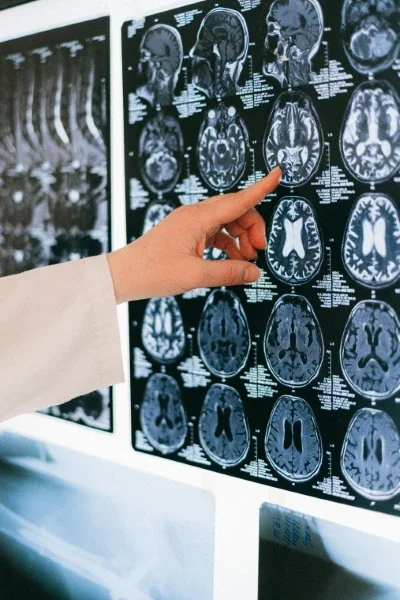
Depression also triggers inflammation throughout your body, including your brain. This inflammatory response can interfere with neurotransmitter production and damage healthy brain cells. As a result, chronic inflammation may contribute to fatigue and brain fog. Difficulty concentrating is also something that many people with depression experience.
Neuroplasticity: Natural Brain Healing
It's important to know these changes aren't permanent. Your brain has a remarkable quality called neuroplasticity, which means it can reorganize itself and form new neural connections. With proper treatment and support, you can help reverse the effects depression has had on your brain.
Treatment can create new thought patterns and coping strategies that literally help to rewire your brain. Each time you practice healthier responses, you build and strengthen new neural pathways.
Medication can help to restore chemical balance, giving your brain the neurotransmitters it needs to function properly. Lifestyle changes such as regular exercise, improved sleep quality, and stress management also support brain healing and recovery.
Why It Matters
Depression isn't the same as being lazy or weak. On the contrary, your brain is dealing with significant biological changes that require time and professional intervention to heal.
Understanding this also helps fight the age-old stigma around mental health. When you recognize it as a medical condition affecting brain function, it becomes easier to seek help without shame. Just like you wouldn't hesitate to treat a broken bone, your brain deserves the same care and attention.
Taking the Next Step
When you're struggling with depression, it helps to think of your brain like a path that is overgrown with weeds. The depression shifts how your brain functions, but it doesn't have to be a permanent way of life. With the right help, you can clear that path and find a way to yourself again.
Healing your mind takes patience, but your brain is naturally built to adapt and grow. We can help you with this process by creating a plan tailored specifically for you. Call us to discuss if therapy for depression is the next right step for you.