Does My Child Need Play Therapy? 7 Signs to Look For
Many parents share a curiosity about the benefits of play therapy, often while observing their child struggle with big emotions or behavioral shifts. It's common to feel unsure if professional support is truly necessary or if these are simply passing phases.
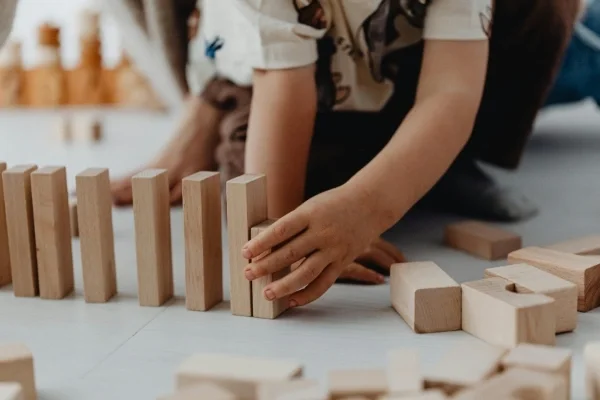
However, play therapy offers a developmentally appropriate way to express complex feelings and work through challenges when words aren't enough. Taking this specialized approach early can make all the difference in their long-term emotional well-being and confidence.
What Makes Play Therapy Different?
Children process the world differently from adults. While we might sit down for a conversation to work through problems, our kids often need to show rather than tell what's happening inside. Through play, children can express complex emotions they don't yet have words for. This approach meets them exactly where they are developmentally.
7 Signs Your Child Might Benefit from Play Therapy
1. Sudden Changes in Behavior
Has your typically cheerful child become withdrawn? Perhaps your previously calm child is now experiencing frequent meltdowns. Significant shifts in behavior often signal that something's troubling your child. These changes can show up at home or school, and can occur at any time.
2. Difficulty Managing Emotions
If your child struggles to regulate their feelings, you might notice intense reactions to minor frustrations. They might cry easily, have angry outbursts, or shut down emotionally. These responses can indicate they need help processing what they're experiencing.
3. Recent Trauma or Major Life Changes
Divorce, moving to a new home, losing a loved one, or experiencing any form of trauma can overwhelm a child's coping abilities. Even positive changes like welcoming a new sibling can create stress. Play therapy provides an opportunity to work through these transitions.
4. Anxiety or Excessive Worry
Does your child constantly worry about things other kids their age don't seem concerned about? Maybe they exhibit signs of separation anxiety, have trouble sleeping, or avoid activities they used to enjoy. Just like with adults, persistent anxiety can interfere with their daily life and relationships as well.
5. Social Struggles
Watch for signs that your child has trouble making or maintaining friendships or interacting with peers. They might seem isolated at school, get into frequent conflicts, or struggle to read social cues.
6. Academic Difficulties Despite Ability
Sometimes, emotional struggles show up as problems at school. Your child might have trouble concentrating or completing assignments. Even though you know they are capable, they may struggle to follow directions or stay engaged. These challenges often stem from underlying emotional needs rather than learning difficulties.
7. Physical Symptoms Without Medical Cause
Frequent stomachaches, headaches, or other physical complaints that doctors can't explain often have emotional roots. Children sometimes express emotional distress through their bodies because they haven't developed other ways to communicate what's wrong.
What Happens in Play Therapy Sessions?
During sessions, children use toys, art materials, sand trays, and other creative tools to express themselves. A trained therapist observes how your child plays and gently guides them toward healthier ways of processing emotions. The playroom becomes a safe place where children can work through challenges at their own pace.
This approach is especially effective for children who've experienced trauma because it doesn't require them to verbally relive painful experiences. Instead, they can explore feelings through symbolic play and artistic expression.
Trust Your Instincts
You know your child better than anyone. If something feels off or you're concerned about their emotional well-being, that's reason enough to explore professional support options. Early intervention can prevent small struggles from becoming bigger problems down the road.
Children benefit tremendously when parents recognize they need additional support and take action. If you're noticing several of these signs in your child, schedule an appointment with us to discuss if play therapy might be the right fit. With one brief conversation, you could be giving your child the tools they need to thrive.