

Blog
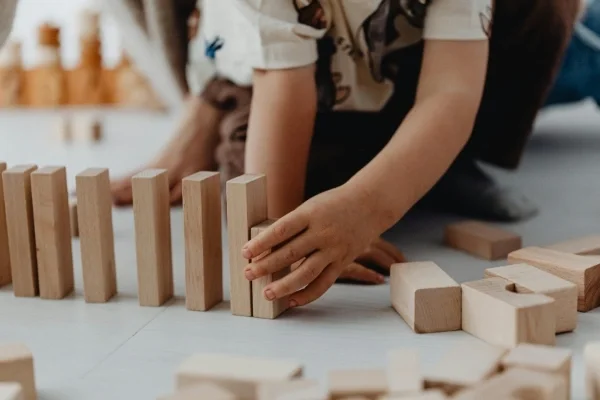
Does My Child Need Play Therapy? 7 Signs to Look For
Many parents share a curiosity about the benefits of play therapy, often while observing their child struggle with big emotions or behavioral shifts. It's common to feel unsure if professional support is truly necessary or if these are simply passing phases.

Directive vs. Non-Directive Play Therapy: What's the Difference?
While verbal processing comes naturally to most adults, children often express their deepest concerns, fears, and experiences through the universal language of play.
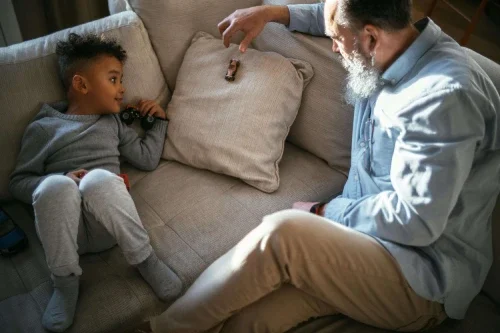
How to Pick the Best Therapeutic Options for Your Anxious Child
Traditional talk therapy and play therapy both aim to help children work through anxiety, but they take very different paths to get there. Think of it this way: if anxiety is a locked door, talk therapy uses conversation as the key, while play therapy uses toys, games, and creative expression to unlock that same door.

A Look at the Different Tools in Play Therapy and Why They Work
If you've ever watched a child completely absorbed in play, you've witnessed something magical. In that moment, they're not just having fun, they're processing their world, working through emotions, and making sense of their experiences.
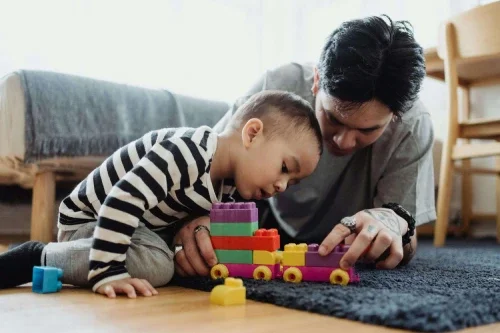
Understanding the Role of Play Therapy in Supporting Children's Recovery
When children experience overwhelming situations, whether it's trauma, extended hospital stays, medical procedures, or abuse, they often lack the words to express the complex emotions swirling inside them.

What Is Play Therapy And How Can It Help My Child?
Play therapy is for children who have problems communicating their troubles with their parents. Play Therapy International says that 71% of children experience a positive change through play therapy.