Why Online Therapy Is More Relevant Than Ever
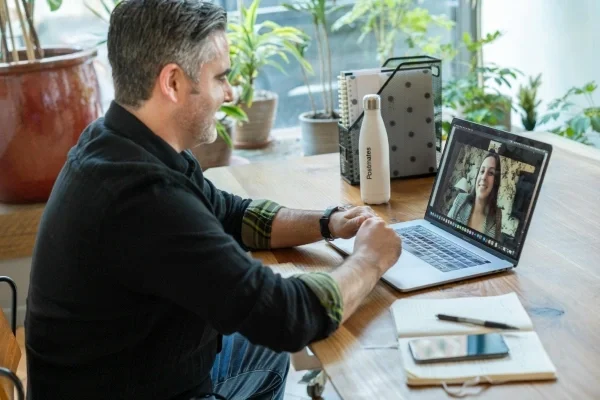
Online therapy has transformed from a convenient alternative to an essential mental health resource. What once felt like a backup option has become a primary way many people connect with support. The shift meets real needs in ways that traditional in-person sessions sometimes can't.
You might be managing anxiety, working through depression, or processing trauma. In these cases, virtual counseling offers flexibility and accessibility that match how we live today. The world has changed, and therapy has evolved to meet you where you are.
Breaking Down Barriers
For years, getting to therapy meant coordinating schedules, finding childcare, taking time off work, and commuting with multiple people. These logistics created real obstacles that kept people from getting the help they needed. Now, you can connect with a therapist from your living room or your car during your lunch break.
This accessibility matters especially for people in rural areas where mental health professionals are scarce. It opens doors for parents who can't leave their kids, individuals with mobility challenges, and anyone whose schedule doesn't fit traditional appointment slots. The barriers that once stood between people and support are starting to crumble.
Creating Comfort and Safety
Some people feel more comfortable opening up when they're in their own space. There's something about being surrounded by familiar things that makes vulnerability easier. You can curl up on your couch with a blanket or sit at your kitchen table. Any setting that helps you feel safe enough to talk through difficult things works. This physical and psychological safety often translates to a stronger therapeutic alliance between you and your provider.
When you're not worried about running into someone you know in a waiting room or feeling anxious about a new environment, you can focus on the work itself. For people dealing with social anxiety or agoraphobia, virtual sessions remove triggers that might prevent them from seeking help at all, allowing for a more gradual and supportive introduction to clinical care.
Consistency Through Life's Changes
Life doesn't stay still. You might move to a new city, travel for work, or face unexpected circumstances that disrupt your routine. With virtual sessions, your therapeutic relationship doesn't have to end when your zip code changes. You can maintain consistency with the same therapist even when other parts of your life feel chaotic.
This continuity matters during the healing process. Building trust takes time, and starting over with a new therapist every time life shifts can disrupt any progress you've made. Remote care lets you keep that connection intact, providing stability when you need it most.
Privacy on Your Terms
Virtual counseling also offers a different kind of privacy. You control your environment and who might overhear your conversation. For people living in small communities where everyone knows everyone, this discretion can make the difference between seeking help and suffering in silence.
You can schedule sessions during times when you have the house to yourself, or use headphones to maintain confidentiality even in shared spaces. This level of control over your privacy helps you open up without worrying about who might see you entering a therapist's office.
Embracing a Modern Approach
Online therapy is expanding options so more people can access mental health support. It removes obstacles, creating comfort, and making mental health care fit into real lives with real constraints. By leveraging modern technology, we are finally closing the gap between the need for support and the ability to receive it.
If you've been hesitant to reach out for support, virtual sessions could be the bridge that makes it possible. Take that first step and give us a call. We can explore how online therapy can help you reclaim balance on your own terms.