Group Therapy for Grief: Shared Stories, Shared Strength
Losing someone you love changes everything, and in the days and weeks that follow, grief can start to weigh heavily on you. Grief often isolates, and many people notice that after a while, the support they received after the loss drifts away. The world seems to have moved on, but you still feel the heartache.
If you are experiencing the weight of grief, group therapy offers support and relief. When you sit with others who are also navigating loss, you begin to realize others understand the exhaustion and sudden waves of emotion. Group therapy for grief offers a place to trade the lonely silence for a room where your shattered heart has a soft place to land.
What Group Therapy Looks Like
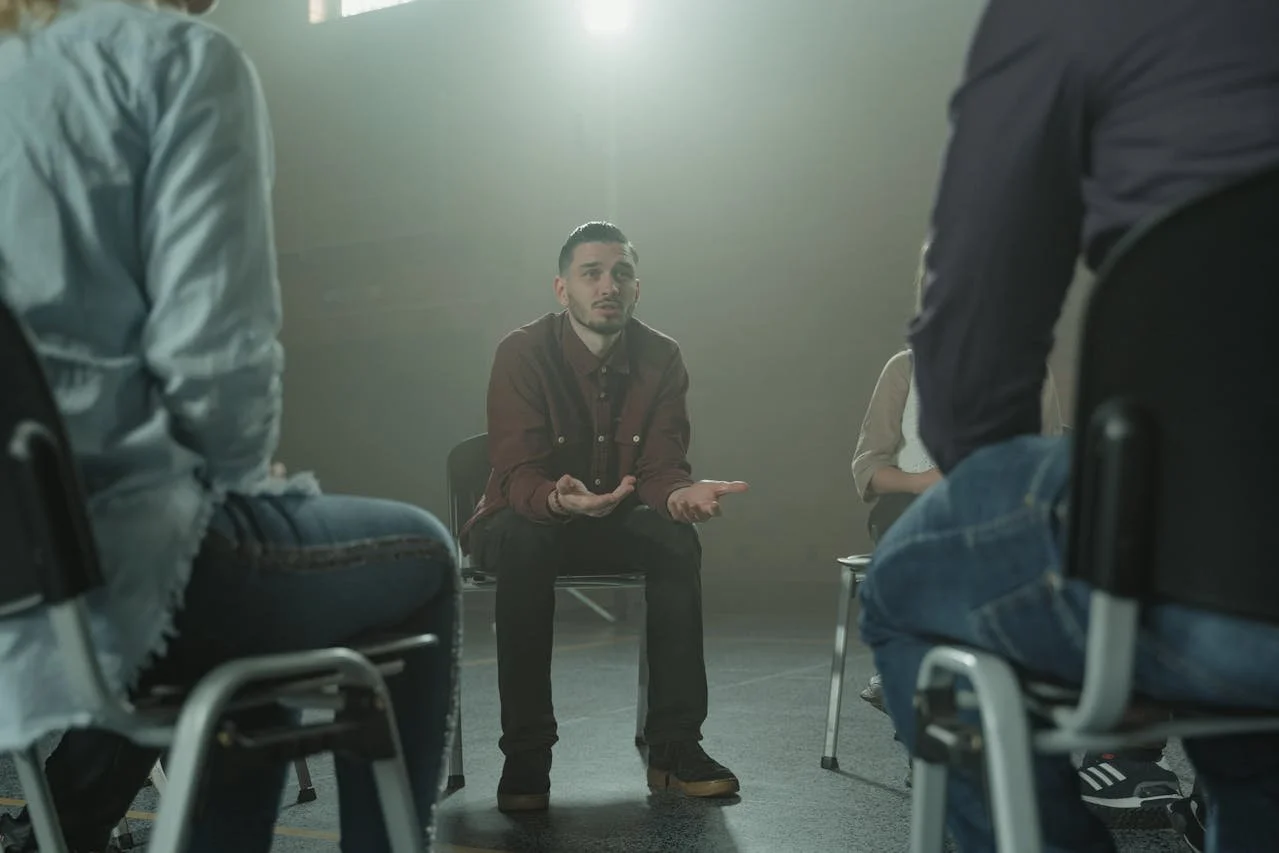
Group therapy isn't a room full of strangers crying together with no direction. It's a structured, therapist-led space where people experiencing loss can openly share, listen to one another, and offer support. Groups are typically small, often six to twelve people, and guided by a licensed therapist who keeps the group grounded and safe.
Topics might include:
Coping with waves of sadness or anger
Managing grief triggers like anniversaries or holidays
Rebuilding a sense of identity after the loss
How to communicate your needs to family and friends
Every group is different, but the goal stays the same: to help you move through grief rather than staying stuck in it.
Why Shared Experience Matters in Grief
There's a reason why grief therapy in a group setting works so well for so many people. Personal loss can make you feel cut off from the world around you. The people in your life may love you deeply, but struggle to say the right things. They might grow uncomfortable with your grief before you've fully processed it.
In group therapy, the pressure to hold in your grief doesn't exist. Everyone in the room has experienced loss. No one is going to rush you, minimize your pain, or change the subject. That shared understanding creates a safety net that's genuinely healing.
Research supports this, too. Studies have shown that group-based grief therapy can reduce symptoms of complicated grief, depression, and anxiety. It helps when someone else puts a name to the heavy, shapeless feelings you've been carrying. When another person voices exactly what you've been experiencing, that weight in your chest finally starts to feel lighter. And witnessing someone else find their footing again offers hope, even when hope feels out of reach.
What Group Grief Therapy Can Do for You
People who participate in group therapy for grief often walk away with more than they expected. Some of the most meaningful benefits include:
Validation: Having your grief witnessed and affirmed by others who understand
Connection: Building relationships with people who truly get what you're going through
New coping tools: Learning strategies that have worked for others in similar situations
Perspective: Seeing that grief looks different for everyone, and that's okay
Reduced isolation: Feeling like part of a community during one of life's hardest seasons
These aren't small things. For many people, they're exactly what makes it possible to get up every morning.
Is It Right for You?
Group therapy isn't the right fit for everyone. Some people need individual therapy first, especially if the loss was traumatic or the grief is complicated. Others thrive in a group from the start. A therapist can help you figure out which approach, or combination of approaches, makes the most sense for where you are right now. What matters most is that you don't let grief go unaddressed.
When you feel ready to explore how online group therapy for grief might fit into your life, reach out to us. Moving forward doesn't mean leaving your loss behind; it means learning to carry it while staying present in your own life. We can help you understand your emotions and create the space to find your footing again.